
Maintaining a home’s value, safety, and comfort requires more than fixing problems as they arise—it demands a strategic, planned approach. Homes are complex systems, with exterior structures, mechanical systems, and safety features all interconnected. When homeowners address repairs reactively, minor issues can snowball into costly emergencies that affect multiple areas of the property.
By planning repairs in advance, homeowners gain control over budgets, timelines, and outcomes. They can prioritize high-impact improvements, coordinate contractors efficiently, and prevent damage that could compromise both safety and aesthetics. A structured approach also allows for long-term planning, ensuring that systems such as roofing, plumbing, heating, and windows are maintained in harmony rather than in isolation.
This guide walks homeowners through an in-depth strategy for maximizing home longevity. It covers actionable steps for assessing the property, scheduling repairs, budgeting effectively, and maintaining key systems, all designed to ensure a durable, well-maintained, and safe home for years to come.
Assess Your Home’s Exterior Before Major Projects

A home’s exterior is the first line of defense against weather, pests, and structural deterioration. Assessing it carefully before starting any major project ensures that problems are addressed before they escalate.
Homeowners should take a systematic approach, examining every surface from the roofline to the foundation. Look for signs of moisture damage, warped or cracked siding, and areas where paint or sealant is failing. Taking the time to document these issues with photos or notes helps prioritize repairs, plan budgets effectively, and communicate clearly with contractors, ensuring that both small and significant problems are managed before they worsen.
Begin by performing a thorough visual inspection of siding, trim, and rooflines. Look for:
- Cracked, warped, or missing siding panels
- Loose trim or peeling paint
- Signs of water damage or mold
- Areas where flashing or rooflines appear compromised
Engaging local siding companies early can help identify areas that need replacement or repair. These professionals provide guidance on materials that resist weathering and maintain aesthetic appeal.
Similarly, a roofing contractor can evaluate shingles, underlayment, and flashing to detect potential leaks or structural weaknesses. Early intervention prevents minor issues from becoming costly repairs later, especially when coordinated with exterior updates.
By prioritizing exterior integrity before interior or mechanical upgrades, homeowners create a strong foundation that supports the longevity of all subsequent projects.
Maintain Roof Integrity for Longevity
The roof protects the home from water intrusion, temperature fluctuations, and weather damage. Neglecting roofing issues can affect the attic, insulation, and even the structural framing. Routine inspection and maintenance are essential.
Homeowners should regularly check for missing or damaged shingles, sagging areas, or signs of leaks inside the attic or ceilings. Cleaning debris from gutters and downspouts also prevents water buildup that can compromise both the roof and siding. In addition, monitoring flashing, vents, and chimneys for cracks or deterioration ensures the roof remains watertight. Proactively addressing these issues not only preserves structural integrity but also prevents costly emergency repairs and prolongs the lifespan of the entire roofing system.
Key steps include:
- Scheduling professional inspections annually or after major storms
- Cleaning gutters and downspouts to prevent water pooling
- Checking for loose or missing shingles and damaged flashing
- Ensuring that roof vents are unobstructed and functional
Coordinating roofing services with window replacement projects can be efficient. For example, installing new windows may involve temporary scaffolding or protective coverings that can also facilitate minor roof repairs.
By addressing roof and window replacement needs simultaneously, homeowners can prevent water damage, improve energy efficiency, and maintain the home’s visual appeal, while also reducing the likelihood of emergency repairs.
Upgrade and Maintain Heating Systems
Heating systems are critical for comfort, energy efficiency, and safety. A poorly maintained furnace or boiler can lead to higher energy bills, uneven heating, and potential hazards like carbon monoxide leaks.
Regular maintenance helps ensure that all components, including burners, heat exchangers, and ductwork, function correctly. Homeowners should schedule professional inspections before the heating season to identify worn parts, clean filters, and check for leaks or blockages. Properly maintained systems not only operate more efficiently but also last longer, reducing the likelihood of costly repairs or early replacement. Routine upkeep improves indoor air quality, maintains consistent temperatures throughout the home, and provides peace of mind regarding safety and reliability.
Tips for maintaining heating systems:
- Schedule regular inspections with a Heating repair service
- Clean or replace filters and inspect ductwork for leaks
- Test thermostats for accurate temperature control
- Ensure vents are unblocked, and air distribution is consistent
Coordination with a local AC service is important if the home uses a combined HVAC system. Scheduling maintenance for heating and cooling together allows technicians to evaluate the full system, identify inefficiencies, and perform preventative repairs before peak seasonal demand.
Routine maintenance not only prevents breakdowns but also extends the lifespan of components, improves indoor air quality, and ensures energy-efficient operation, all of which contribute to long-term home longevity.
Inspect and Maintain Plumbing Systems

Plumbing systems are easily overlooked until a leak, clog, or malfunction occurs. Proactive maintenance reduces water damage, prevents structural issues, and avoids expensive emergency calls.
Homeowners should regularly inspect visible pipes, faucets, and fixtures for leaks, corrosion, or unusual noises. Checking water pressure and monitoring for slow drains can help detect early signs of problems. Routine drain cleaning prevents clogs and buildup that could lead to backups or pipe damage. Working with a local plumbing contractor ensures that hidden issues behind walls or under floors are identified and repaired properly. By staying on top of plumbing maintenance, homeowners protect both the structural integrity of the home and the long-term reliability of the water system.
Key actions include:
- Checking for visible leaks in pipes, faucets, and valves
- Inspecting water pressure and monitoring for sudden drops
- Scheduling routine drain cleaning to prevent clogs and backups
- Inspecting water heaters for corrosion or sediment buildup
Working with a local plumbing contractor ensures that inspections are thorough and that repairs are performed correctly. Professionals can detect hidden issues behind walls or under floors that homeowners might miss.
Routine drain cleaning is a simple but highly effective preventive measure. Keeping drains clear reduces the risk of pipe corrosion, water damage, and plumbing failures, extending the overall lifespan of the system.
Address Sewer and Drainage Issues Proactively
Sewer and drainage systems are critical to preventing long-term structural damage and maintaining a sanitary environment. Ignoring warning signs can result in costly sewer line repair or property damage.
Homeowners should watch for slow-draining sinks, recurring backups, foul odors, or unusual wet spots in the yard, as these often indicate underlying issues. Regular inspections by a licensed professional can detect cracks, blockages, or tree root intrusion before they escalate. Coordinating sewer maintenance with landscaping or foundation projects ensures that both systems work together efficiently. Proactive attention to drains and sewer lines not only protects the home’s structure but also reduces health risks and prevents expensive emergency interventions.
Proactive steps include:
- Watching for slow drains or recurring blockages
- Scheduling routine inspections of main sewer lines
- Coordinating drainage improvements with landscaping or foundation work
- Addressing minor backups promptly to prevent major disruptions
Preventive sewer maintenance is far less costly than emergency repairs and helps homeowners avoid property damage from leaks or backups. Regular drain cleaning in combination with proactive sewer line inspections ensures the home’s plumbing infrastructure remains functional and reliable.
Ensure Safety and Compliance with Window Upgrades
Windows play a crucial role in energy efficiency, safety, and overall home longevity. Worn or inefficient windows can allow drafts, water intrusion, and even compromise structural integrity over time. Evaluating and upgrading windows proactively ensures the home remains comfortable, secure, and code-compliant.
Key actions include:
- Replacing aging or damaged windows to improve insulation and reduce energy costs
- Installing egress windows in basements or bedrooms for emergency escape routes
- Sealing gaps and inspecting frames for rot or water damage
- Scheduling window upgrades to coincide with exterior projects like siding or roofing
By coordinating window replacement with other exterior maintenance, homeowners minimize disruptions and protect the investment in both structural and aesthetic improvements. Egress windows not only enhance safety but can also increase property value and meet building code requirements.
Coordinate Major Repairs to Minimize Disruption
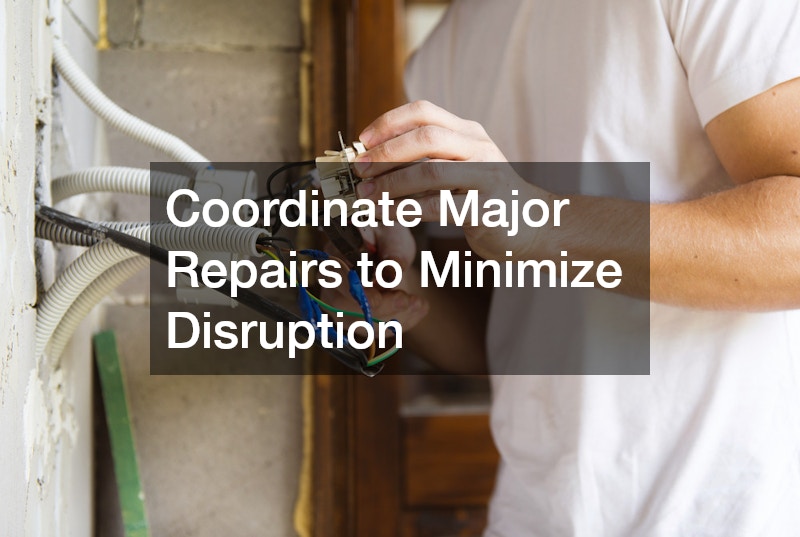
Large-scale home projects often involve multiple systems, contractors, and timelines. Without proper coordination, one repair can inadvertently damage another, resulting in wasted time and money.
Tips for effective coordination:
- Sequence projects logically, addressing exterior and structural elements first
- Schedule plumbing, HVAC, and electrical work around major renovations
- Communicate timelines clearly with all contractors involved
- Protect completed work from damage during ongoing projects
By mapping out a repair plan in advance, homeowners ensure that contractors work efficiently and that each improvement complements rather than conflicts with others. A coordinated approach reduces the risk of repeated work and helps maintain a safe, organized worksite.
Budget Strategically for Long-Term Home Health
Proper budgeting is essential for planned repairs, allowing homeowners to balance immediate needs with long-term priorities. An effective strategy ensures the home remains protected without financial strain.
Budgeting tips:
- Categorize repairs by urgency and impact
- Allocate funds for preventative maintenance to avoid costly emergencies
- Include contingency funds for unexpected discoveries
- Plan phased improvements over months or years for affordability
Prioritizing high-impact areas—such as roofing, heating and cooling systems, and sewer lines—provides maximum value for money while extending the home’s lifespan. A structured budget also allows homeowners to schedule maintenance in manageable segments, maintaining consistency without overspending.
Implement Routine Inspection and Maintenance Schedules
Routine inspections are the backbone of preventive maintenance. Establishing schedules for key systems ensures issues are detected early and addressed before they escalate.
Key components of a maintenance schedule:
- Monthly checks of plumbing, HVAC, and drainage systems
- Seasonal inspections of the roof, siding, and windows
- Annual evaluations by licensed professionals for heating, cooling, and structural systems
- Maintaining detailed records of inspections, repairs, and upgrades
Routine maintenance reduces the likelihood of emergency repairs, improves system efficiency, and preserves property value. By integrating these checks into a planned schedule, homeowners can proactively manage both minor issues and larger projects over time.
Evaluate Results and Adjust Plans Over Time
After completing planned repairs, evaluation is critical to ensure work was effective and systems are performing as intended. Regular review helps refine maintenance strategies and optimize future repair plans.
Actionable evaluation steps:
- Walk the property from multiple viewpoints to assess visual and functional outcomes
- Test mechanical systems, including heating, cooling, and plumbing, for efficiency
- Inspect exterior features like siding, roofing, and windows for ongoing performance
- Update repair and maintenance schedules based on observations and professional recommendations
Adjusting plans over time ensures repairs continue to extend home longevity. Feedback from inspections or contractors can highlight emerging needs, helping homeowners prevent small issues from becoming costly problems. Continuous evaluation and adaptation reinforce the benefits of a proactive, planned approach.
Maximizing home longevity through planned repairs requires foresight, organization, and ongoing attention. By evaluating the property, prioritizing high-impact systems, coordinating contractors, and scheduling routine maintenance, homeowners can protect both the safety and value of their home.
Planned repairs prevent emergencies, reduce repair costs, and extend the lifespan of critical systems, from roofing and siding to plumbing and HVAC. Upgrades such as window replacement and egress windows further enhance comfort, efficiency, and compliance with safety standards.
A strategic approach ensures each repair contributes to a cohesive, functional, and visually appealing home. With careful planning, budgeting, and ongoing inspection, homeowners can enjoy the benefits of a well-maintained, long-lasting property that remains safe, comfortable, and resilient for years to come.
Additionally, a proactive repair strategy fosters peace of mind. Homeowners can confidently anticipate seasonal challenges, from harsh weather impacting roofing and siding to plumbing and HVAC demands. By addressing issues before they escalate, the property remains energy-efficient, reducing utility costs and environmental impact. Thoughtful planning also allows homeowners to make incremental upgrades, spreading out investment costs while steadily improving both functionality and aesthetic appeal. Over time, the cumulative effect of planned repairs enhances not only the structural integrity of the home but also its market value, curb appeal, and livability. By staying ahead of maintenance needs, homeowners create a property that is adaptable, durable, and prepared for the long term, turning routine upkeep into a strategic advantage.

 Plumbers vs DIY Fixes When to Call the Professionals
  Step-by-Step Kitchen Remodel Guide for Beginners
  3 Key Considerations for Switching to Tankless Water Heaters
  The Role of Underlayment in Roof Protection
  3 Reasons Overhead Garage Doors Are the Better Choice