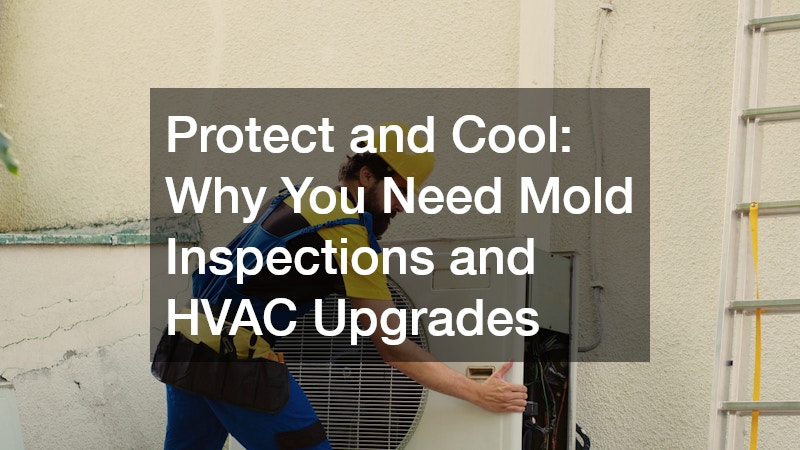
Maintaining a safe, comfortable, and energy-efficient home requires looking beyond surface aesthetics. While fresh paint, stylish furniture, and modern décor define the interior ambience, the true foundation of residential well-being rests upon invisible environmental systems: air quality, temperature control, moisture management, and structural integrity. Understanding how moisture dynamics, airflow, thermal barriers, and lifestyle spaces interlock is essential for modern homeowners. A truly protected house functions as a cohesive ecosystem where every mechanical and structural component supports the others.
Understanding the Hidden Threat of Indoor Moisture and Spores

Indoor air quality can easily deteriorate without visible warning signs. Excess humidity from cooking, showering, ambient climate, or subtle structural leaks creates a microclimate inside walls, attics, and crawlspaces that encourages organic growth. When fungal spores colonize building materials like sheetrock, wood framing, and carpet backing, they release microscopic particles into the breathing zone.
Identifying these hidden reservoirs requires specialized testing and expert diagnostic equipment. Relying on professional mold inspection services allows homeowners to pinpoint microscopic fungal colonies, trace hidden moisture pathways behind dry walls, and evaluate indoor air samples accurately before physical damage spreads across structural framing.
To maintain a healthy indoor environment and detect environmental hazards early, consider the following critical assessment indicators:
- Unexplained Allergic Symptoms: Frequent sneezing, eye irritation, or lingering sinus congestion that subsides when away from the property.
- Persistent Odors: Earthy or damp smells that linger in specific rooms, basements, or near air vents despite frequent cleaning.
- Visible Water Staining: Discolored patches on ceiling drywall, baseboards, or window sills indicating past or ongoing water intrusion.
- High Ambient Humidity: Indoor relative humidity readings consistently exceeding fifty percent, creating a sticky or heavy feeling in the air.
- Recent Plumbing Incursions: Past pipe leaks, appliance overflows, or roof penetrations that were dried out without professional verification.
The Critical Role of Modern Climate Control in Humidity Management
Air conditioning systems perform two equally vital functions: dropping indoor air temperatures and extracting water vapor from the atmosphere. As warm, humid air passes across an evaporator coil, moisture condenses into liquid water and drains away safely outside the home. However, older or poorly maintained cooling units often lose their dehumidification efficiency long before they stop blowing cold air entirely. Oversized units may cool a home too quickly without running long enough to strip moisture from the air, leaving rooms feeling damp and chilled.
Upgrading to modern, high-efficiency equipment ensures balanced airflow, optimal cycle times, and precise relative humidity control. Partnering with an experienced HVAC company gives property owners access to variable-speed compressors and advanced multi-stage air handlers that modulate performance based on real-time environmental demands, maintaining optimal indoor comfort effortlessly while reducing electrical consumption.
Modern cooling technology provides several operational advantages that protect indoor health and reduce monthly energy expenses:
- Variable-Speed Compressors: Adjust operational output dynamically to maintain exact temperature and humidity targets without continuous cycling.
- Enhanced Filtration Options: Accommodate high-MERV or HEPA filters to capture fine particulate matter, dust mites, and airborne fungal spores.
- Smart Dehumidification Modes: Slow fan speeds during high-humidity periods to maximize moisture removal without overcooling living areas.
- Sealed Air Distribution: Eliminate ductwork leaks that pull unfiltered, hot air from attics or crawlspaces into the clean airstream.
- Lower Operating Costs: Higher SEER2 ratings deliver significantly greater cooling output per kilowatt-hour of electricity consumed.
Targeted Cooling and Efficiency with Ductless Systems
Certain residential architectural layouts present severe challenges for conventional ducted heating and cooling networks. Home additions, converted garages, sunrooms, and historic properties with plaster walls often lack the physical space needed for sweeping ductwork runs. Forcing a central system to cool distant or uninsulated zones frequently results in hot spots, uneven temperatures, and massive energy waste as air loses velocity along long duct runs.
Ductless cooling systems solve this problem by delivering direct, zoned climate control straight to individual rooms. Installing modern mini splits allows homeowners to establish precise temperature schedules for individual living areas, eliminating energy waste in unused spaces while providing intense cooling power exactly where high thermal loads exist.
Compact ductless systems offer several distinct advantages for modern property owners:
- Independent Zone Control: Set custom temperatures for individual bedrooms, home offices, or living quarters without affecting the rest of the house.
- Elimination of Duct Losses: Avoid the twenty to thirty percent efficiency loss typical of leaky or uninsulated central duct systems.
- Flexible Installation Options: Mount sleek indoor units high on walls, near ceilings, or flush within ceiling joists with minimal structural disruption.
- Whisper-Quiet Operation: Position noisy compressor components outdoors away from primary living areas and quiet sleeping quarters.
- Year-Round Versatility: Enjoy both high-efficiency summer cooling and supplemental winter heat from a single compact heat pump unit.
Thermal Barriers and Moisture Resistance in the Attic and Walls
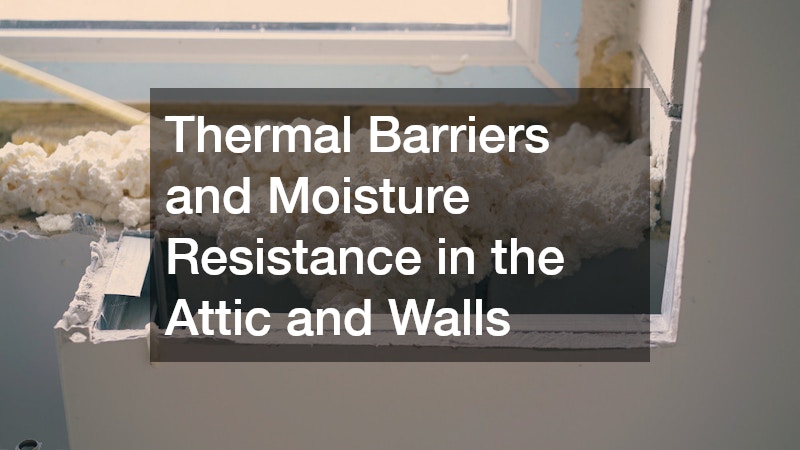
Even the most advanced cooling equipment will struggle if a building envelope leaks thermal energy continuously. During summer months, attic temperatures can easily reach 140 degrees Fahrenheit or higher. This immense radiant heat pushes down into living areas through ceiling joists, forcing air conditioners to work twice as hard to maintain comfortable conditions.
Upgrading building envelope performance creates a continuous thermal break that stops heat transfer and prevents unwanted vapor migration. Working with an experienced insulation contractor ensures that attics, exterior walls, and crawlspaces receive proper air sealing, proper vapor barrier placement, and dense thermal material application. Utilizing comprehensive home insulation services protects structural wood framing from moisture accumulation while dramatically trimming summer cooling costs.
A properly insulated building envelope provides key functional benefits across every season:
- Reduced Thermal Bridging: Prevents heat from migrating through wooden studs and ceiling joists into air-conditioned interior zones.
- Lower Utility Bills: Keeps cool air inside the living space longer, reducing the runtime and wear on mechanical cooling equipment.
- Vapor Control: Limits the movement of moist exterior air into wall cavities, preventing interior condensation and structural rot.
- Enhanced Acoustic Dampening: Muffles outside traffic noises, neighborhood activity, and severe weather sounds for a quieter interior.
- Consistent Room Temperatures: Eliminates drafty zones, cold spots, and hot upper-story bedrooms for uniform family comfort.
Managing Solar Heat Gain and Light Control
Windows offer beautiful views and natural illumination, but they also represent one of the largest thermal vulnerabilities in any building structure. Radiant sunlight passing through clear window glass converts directly into heat upon contacting interior floors and furniture—a phenomenon known as solar heat gain. During peak afternoon hours, unshaded windows can overwhelm an air conditioner, causing interior temperatures to spike rapidly despite continuous equipment operation.
Controlling incoming solar radiation before it transforms into interior heat is a simple, highly effective cooling strategy. Contracting a professional window blind company enables homeowners to install custom, high-performance window treatments like honeycomb cellular shades, reflective solar blinds, or motorized blackout drapes. These specialized window coverings trap insulating air layers right at the glass pane, significantly reducing radiant heat transfer into living rooms and bedrooms.
Consider these solar management options when optimizing your home’s window performance:
- Cellular Shades: Feature honeycombed air pockets that create a powerful insulating barrier against radiant window heat.
- Solar Roller Shades: Filter harsh ultraviolet rays and reduce glare while preserving exterior views and natural indoor light.
- Thermal Blackout Drapes: Block out sunlight completely while adding an extra layer of fabric insulation over large glass surfaces.
- Motorized Smart Blinds: Schedule automated opening and closing cycles based on sun position to minimize afternoon heat buildup automatically.
- Reflective Interior Louvers: Tilt adjustable slats to reflect direct sunlight back outside while directing soft light toward ceilings.
Coordinating Structural Upgrades and Whole-Home Renovations

Executing major home improvements—such as reconfiguring living layouts, upgrading mechanical equipment, and repairing structural water damage—requires clear communication and skilled project management. When multiple trade specialists operate independently without overarching management, schedules slip, work can be duplicated, and crucial details like air sealing or electrical capacity can be overlooked.
Hiring a reputable general construction company ensures that structural modifications, mechanical installations, and finishing touches proceed seamlessly under a unified project schedule. Professional project oversight ensures that structural framing repairs, insulation installs, and mechanical duct placements align perfectly, preventing costly delays and ensuring all building codes are strictly satisfied.
Partnering with a centralized construction team delivers significant management advantages during complex residential projects:
- Unified Project Timeline: Streamlines trade schedules so structural, electrical, and mechanical work happens in logical sequence.
- Code Compliance and Permitting: Coordinates all local building permits, engineering inspections, and municipal safety approvals.
- Quality Assurance: Supervises subcontractor craft quality continuously to ensure structural integrity and flawless aesthetic finishes.
- Budget Transparency: Provides detailed cost estimates, tracks material expenses, and manages change orders efficiently.
- Single Point of Contact: Simplifies communication by providing homeowners with a dedicated manager throughout the entire build process.
Extending Your Living Space into the Great Outdoors
As homeowners spend more time enjoying their residential properties, expanding usable living square footage beyond the physical interior walls has become a top priority. Creating outdoor living areas allows families to cook, dine, and entertain under open skies without feeling cramped inside.
Collaborating with a dedicated backyard kitchen contractor allows property owners to construct custom culinary stations equipped with weather-resistant cabinetry, integrated grills, refrigeration units, and sink plumbing.
A fully equipped outdoor culinary venue should incorporate several key structural and functional elements:
- Built-in Cooking Appliances: Install commercial-grade stainless steel gas grills, side burners, smoker boxes, or pizza ovens.
- Weatherproof Cabinetry: Utilize marine-grade polymer or stainless steel storage units designed to resist rain, snow, and UV degradation.
- Integrated Refrigeration: Keep beverages, meats, and fresh produce cool and accessible without walking back into the house.
- Functional Task Lighting: Position targeted LED downlights over prep areas, cooking grates, and dining surfaces for evening use.
- Sheltered Utility Connections: Protect gas lines, electrical outlets, and plumbing supply lines inside weather-sealed chases.
Elevating Outdoor Functional Surfaces and Prep Areas
Outdoor culinary facilities demand materials that can endure extreme temperature swings, direct exposure to sunlight, grease splatters, and heavy physical use without staining, cracking, or fading. Standard interior countertop materials like unsealed marble or thin laminates degrade rapidly when exposed to rain and thermal stress, leading to costly structural failures.
Selecting a specialized countertop installation service ensures that outdoor surfaces are crafted from durable, low-porosity materials like sealed granite, engineered quartz, or high-density concrete.
When selecting durable surfaces for outdoor living areas, consider the performance attributes of these popular materials:
- Sealed Granite Slabs: Provide unmatched resistance to heat, scratches, and UV fading while offering natural, unique stone patterns.
- Polished Concrete: Offers a modern, industrial aesthetic with fully customizable slab shapes, edge profiles, and integrated sink basins.
- Engineered Porcelain Surfaces: Feature near-zero water absorption, superior stain resistance, and complete immunity to severe UV degradation.
- Quartzite Formations: Deliver high mechanical strength and rich, marble-like aesthetics capable of enduring outdoor weather cycles.
- Soapstone Finishes: Naturally non-porous and chemically inert, making them highly resistant to thermal shock and food acid staining.
Creating Durable and Elegant Ground Surfacing
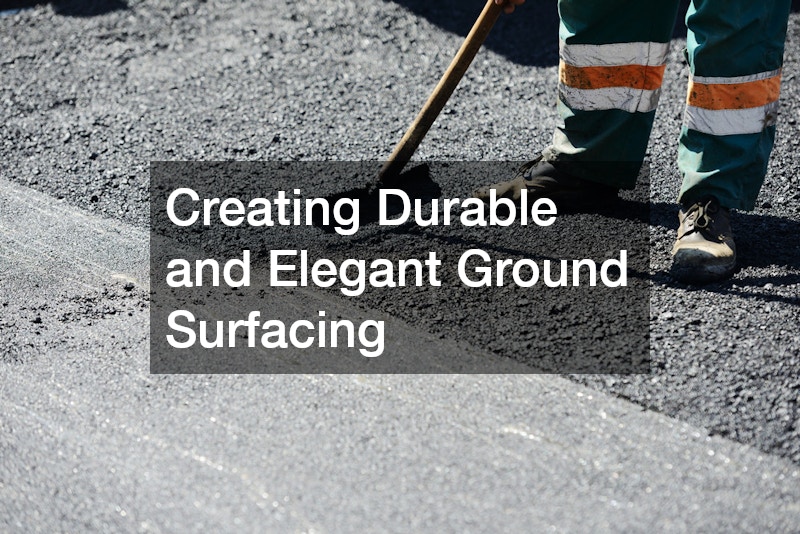
A luxurious outdoor living space requires a stable, beautifully finished ground foundation that ties structural amenities together. Dirt, patchy grass, or crumbling asphalt surfaces detract from outdoor appeal and track mud, dust, and debris straight into air-conditioned interior living areas. Furthermore, improper ground grading around patios can trap rainwater against home foundations, causing basement seepage and localized moisture spikes.
Enlisting professional paving contractors guarantees that outdoor patios, walkways, and pool decks feature rock-solid sub-base compaction, precise drainage pitch, and beautiful hardscape materials.
Professional ground paving offers distinct structural and visual benefits for modern residential estates:
- Effective Water Management: Directs heavy storm runoff away from home foundations, preventing basement flooding and soil erosion.
- Superior Durability: Resists heavy vehicular loads, foot traffic, and severe freeze-thaw cycles without surface cracking.
- Enhanced Safety: Non-slip stone textures provide secure footing around swimming pools, outdoor kitchens, and garden steps.
- High Visual Appeal: Interlocking patterns, contrasting borders, and rich natural stone colors elevate property aesthetics dramatically.
- Low Maintenance Requirements: Individual pavers can be easily replaced if damaged without disturbing the surrounding hardscape installation.
Building a Comprehensive Strategy for Long-Term Home Protection
Protecting a residential property from environmental damage while maintaining exceptional interior comfort is an ongoing, multi-faceted process. True home performance is achieved when interior climate systems, thermal insulation barriers, window solar management, structural integrity, and outdoor hardscaping operate in complete harmony. When every trade improvement is executed thoughtfully, the home functions as a fortified, energy-efficient refuge.
Establishing a proactive maintenance and inspection routine ensures that specialized mechanical equipment and structural barriers operate at peak performance for decades. By anticipating seasonal demands, addressing subtle moisture incursions immediately, and upgrading inefficient systems before complete failure occurs, homeowners safeguard both their family’s health and their financial investment.
Follow this continuous home protection checklist to ensure all critical systems remain in peak operating condition year-round:
- Bi-Annual Mechanical Audits: Inspect cooling coils, clean condensate drain lines, and replace air filters every three to six months.
- Attic and Crawlspace Inspections: Check regularly for roof leaks, displaced insulation, pest activity, or localized dampness.
- Hardscape Drainage Reviews: Verify that patio gutters, downspout extensions, and ground slopes carry water away from foundation walls.
- Window and Door Seal Checks: Replace cracked weatherstripping and recaulk exterior frame joints to prevent air and water leaks.
- Seasonal Duct and Air Quality Cleaning: Vacuum air returns, inspect duct connections, and monitor indoor relative humidity levels continuously.
Creating a safe, comfortable, and resilient home environment requires a balanced approach that combines interior climate precision with robust structural protection. By taking proactive measures to control indoor moisture, eliminate hidden air quality hazards, and upgrade aging cooling equipment, homeowners establish a fresh, healthy living environment that shields occupants from extreme weather and airborne contaminants.
 Always Ask a Plumber These Questions Before Hiring Them
  The Most Common Signs You Need HVAC Repair
  How Do HVAC Services Troubleshoot Issues?
  How to Avoid Expensive Repairs Through Routine Home Inspections
  3 HVAC Mistakes Air Conditioning Contractors Warn Against
  3 Key Considerations for Switching to Tankless Water Heaters
  The First-Time Homeowners Repair Toolkit: Essential Tools and Fixes Everyone Should Know
  Protect and Cool Why You Need Mold Inspections and HVAC Upgrades