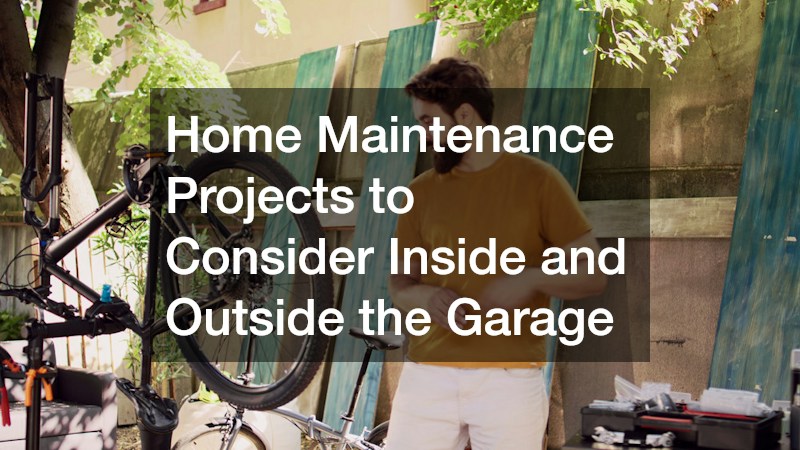
A garage often serves as much more than a place to park a vehicle. It can function as a workshop, storage area, entry point, and transition space between the home and the outdoors. Because of that, maintenance around the garage should include more than the door itself. Driveways, siding, fencing, windows, drainage, seasonal equipment, and surrounding surfaces all affect how safely and efficiently the area works.
Planning maintenance projects together can also prevent one repair from interfering with another. A driveway project may affect drainage near the garage, while siding work can overlap with exterior trim around doors and windows. Homeowners who look at the entire area before scheduling improvements can prioritize urgent issues, coordinate contractors, and avoid unnecessary rework. From preparing for winter weather to improving security and curb appeal, these projects can help keep both the garage and the surrounding property in better condition throughout the year.
Inspect the Driveway and Garage Approach
The driveway is one of the most heavily used surfaces on many properties, and damage can develop gradually. Small cracks, low spots, crumbling edges, and drainage problems may become more noticeable as vehicles, rain, snow, and temperature changes place stress on the surface. Regular inspections can help homeowners identify developing issues before they spread.
An asphalt driveway contractor can evaluate worn or damaged pavement and determine whether repairs, resurfacing, or replacement may be appropriate. Cracks should be addressed before water has repeated opportunities to seep beneath the surface, especially in climates where freezing and thawing can accelerate deterioration. Homeowners should also pay attention to the area where the driveway meets the garage floor because changes in elevation may create a rough transition for vehicles or allow water to collect near the entrance.
For paved driveways that are still structurally sound, a sealcoating company may help protect the surface from weather exposure, moisture, and ordinary wear. Sealcoating is not a substitute for structural repairs, so damaged areas should be corrected before a protective coating is applied.
Some properties use stone rather than asphalt. Gravel driveway services can help restore ruts, improve grading, replenish displaced material, and correct areas where water pools. Regardless of the driveway material, proper drainage is essential. Water should move away from the garage and foundation rather than collecting along the door opening or eroding the edges of the drive.
Keep the Garage Door Operating Properly
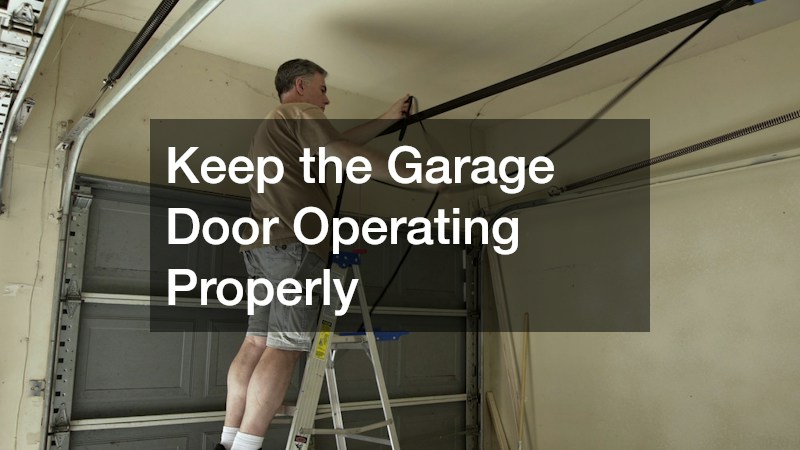
A garage door is a large moving system with several components that experience repeated stress. Tracks, rollers, cables, hinges, openers, and springs all contribute to smooth operation. Homeowners should watch for unusual noises, uneven movement, slow opening, shaking, or a door that does not close completely.
Garage door repair services can address mechanical problems that may make the door difficult or unsafe to operate. Routine inspection can also uncover worn rollers, loose hardware, damaged tracks, or problems with the opener before the door stops working entirely. Sensors near the floor should remain aligned and free of dirt or stored items that could interfere with their function.
Springs deserve particular attention because they help counterbalance the weight of the door. Garage door spring replacements should generally be handled by professionals because the components are under substantial tension. A damaged or broken spring can make the door extremely heavy and may cause other parts of the system to operate incorrectly.
Homeowners can support routine maintenance by keeping the tracks clear, observing the door as it moves, and scheduling service when something changes. Avoid repeatedly operating a door that appears damaged or unbalanced. Prompt attention can reduce strain on the opener and other hardware while helping preserve reliable access to the garage.
Evaluate the Door’s Appearance and Function
Maintenance is also a good opportunity to consider whether the current door still meets the household’s needs. Older doors may lack insulation, have damaged panels, or no longer complement the exterior of the home. A replacement can improve appearance while addressing practical concerns at the same time.
Garage door design involves more than choosing a color. Homeowners can compare panel styles, window configurations, materials, insulation levels, hardware, and finishes. The right combination should suit the architecture of the house while supporting how the garage is used. A garage that doubles as a workshop or exercise space, for example, may benefit from additional insulation compared with a detached structure used only for storage.
Windows in the garage door can introduce natural light, but their placement should be considered carefully. Higher windows may provide brightness while limiting visibility from outside. Decorative hardware can also change the character of a simple door without making the design overly complicated.
Before replacing a door, homeowners should confirm measurements and consider clearances around storage, lighting, and the opener system. The new installation should also coordinate with exterior trim and siding so the finished garage entrance looks intentional rather than mismatched.
Maintain Siding and Exterior Surfaces
The walls around the garage are exposed to moisture, sunlight, wind, debris, and temperature changes. Small exterior problems can gradually allow water to reach materials beneath the visible surface. Homeowners should inspect siding, trim, flashing, and caulk around doors and windows at least periodically.
Siding companies can evaluate cracked, loose, warped, faded, or missing sections and recommend repairs or replacement when necessary. Different siding materials have different maintenance requirements. Vinyl may need cleaning and occasional panel replacement, while wood products may require painting or sealing to limit moisture exposure.
Pay close attention to areas near the bottom of garage walls where splashback from rain or snow can keep surfaces damp. Downspouts should direct water away from the structure, and vegetation should not trap moisture against siding. Gaps around utility penetrations, vents, and exterior fixtures should also be inspected.
Cleaning can improve appearance, but homeowners should use methods appropriate for the siding material. Excessive pressure may force water behind panels or damage softer finishes. Addressing stains without correcting the moisture source may only provide a temporary cosmetic improvement.
Exterior maintenance should include fascia, soffits, and trim as well. These elements help protect roof edges and openings while contributing to the overall appearance of the garage. Coordinating repairs across these surfaces can prevent repeated setup and produce a more consistent finished result.
Improve Window Security and Ventilation
Garage windows can provide daylight and ventilation, but they may also be overlooked during routine security checks. Windows near tools, bicycles, equipment, or interior doors deserve the same attention as other openings around the home.
Security window screens can add a protective layer while still allowing airflow through an open window. Depending on the product, reinforced mesh and sturdy framing may provide more resistance than standard insect screens. Homeowners should still use functional locks and make sure window frames remain securely attached to the structure.
Inspect glass for cracks, seals for deterioration, and frames for rot, corrosion, or separation. Moisture around a window can damage nearby drywall, insulation, or stored belongings if the problem continues unnoticed. Condensation may also indicate ventilation or humidity issues within the garage.
Ventilation can be especially important in garages used for projects, hobbies, or storage. However, ventilation should never be used as a substitute for proper safety practices around fumes, chemicals, or running vehicles. Products that release hazardous vapors should be stored and used according to their instructions.
Homeowners should also consider privacy. Blinds, frosted glass, or carefully placed coverings can limit visibility into the garage without eliminating natural light. A secure and well-maintained window can support both comfort and practical use of the space.

Prepare the Garage for Winter Maintenance
Cold weather creates additional maintenance demands around garages and driveways. Snow and ice can block access, create slippery surfaces, and place strain on outdoor materials. Preparing equipment before winter arrives can make storm cleanup easier and reduce last-minute problems.
Snow removal equipment should be inspected before the first major snowfall. Snow blowers may need fresh fuel, oil changes, belt checks, tire inspection, or replacement wear parts depending on the model. Shovels should be checked for cracked handles or damaged blades, while ice melt and traction materials should be stored where they are easy to reach.
Storage location matters. Equipment should be accessible without requiring homeowners to move vehicles or climb over seasonal items. Wall hooks, shelves, and designated floor areas can keep winter tools organized while reducing clutter near the garage door.
Homeowners should also look at exterior lighting before shorter winter days arrive. Bright, functional fixtures around the driveway and garage entrance can make snow removal safer in the early morning or evening. Motion-activated lighting may also improve visibility without requiring lights to remain on continuously.
Drainage should remain part of winter planning. Meltwater can refreeze near the garage entrance if it has nowhere to go. Keeping gutters, downspouts, and drainage paths clear can help move water away from frequently traveled areas.
Maintain Fences and Yard Boundaries
The area beside or behind a garage often includes gates, fences, storage zones, or utility access. These features can affect privacy, security, and how easily homeowners move equipment between the front and back of the property.
When repairs are needed, a yard fence supply can provide materials such as panels, posts, rails, pickets, fasteners, and gate hardware. Matching existing materials may be important for smaller repairs, while widespread deterioration may make partial or complete replacement more practical.
Fence inspections should focus on leaning posts, loose boards, rusted hardware, broken latches, and sections damaged by moisture or impact. Gates should open and close without dragging across the ground, and hinges should remain firmly attached. Problems near the driveway should be corrected promptly because an unstable gate may interfere with vehicle access.
Homeowners should also keep vegetation from pressing against fencing or blocking gates. Vines and shrubs can hide deterioration and hold moisture against some materials. Trimming plants also makes it easier to inspect posts and hardware.
If a driveway or major landscaping project is planned, fence work should be coordinated with it. Contractors may need temporary access for equipment, so installing a new gate or fence too early could restrict movement. Planning the sequence of work can protect new materials from avoidable damage.

Organize the Garage Around Ongoing Maintenance
A well-organized garage makes home maintenance easier because tools and supplies are visible, accessible, and protected from damage. Instead of treating organization as a one-time cleanup project, homeowners can design storage around the tasks they perform throughout the year.
Frequently used tools should be kept within easy reach, while seasonal items can be stored higher or farther from the main work area. Shelving, pegboards, cabinets, and wall-mounted racks can free floor space and reduce tripping hazards. Heavy objects should be stored low enough to retrieve safely.
Chemicals, paints, automotive fluids, fertilizers, and cleaning products require careful storage. Containers should remain labeled and closed, and products should be kept according to manufacturer instructions. Families with children or pets may need lockable cabinets for certain materials. Flammable products should never be stored near ignition sources.
Organization can also support routine inspections. Leaving access to the garage door tracks, electrical panel, water shutoffs, and exterior walls makes it easier to notice leaks, pests, damaged wiring, or other developing issues. Clutter pressed against walls can conceal moisture problems or make repairs more difficult.
Floor care should be included in this routine as well. Sweep away road salt, leaves, soil, and other debris before it accumulates in corners or near stored items. Concrete floors can also be checked for cracks, moisture, stains, or surface damage that may signal a developing problem. Keeping the floor clear makes inspections easier and gives homeowners more room to complete projects safely. It also reduces clutter around vehicles, doors, workbenches, and frequently used storage areas throughout the year.
A maintenance calendar can help homeowners remember less frequent tasks such as checking the driveway, inspecting siding, servicing the garage door, preparing winter equipment, and reviewing fence conditions. Coordinating these projects instead of waiting for failures can make maintenance more predictable. A garage and its surrounding exterior work best when every surface, opening, and system receives attention as part of a broader property care plan.
 Always Ask a Plumber These Questions Before Hiring Them
  The Most Common Signs You Need HVAC Repair
  Protect and Cool Why You Need Mold Inspections and HVAC Upgrades
  How Do HVAC Services Troubleshoot Issues?
  How to Avoid Expensive Repairs Through Routine Home Inspections
  3 HVAC Mistakes Air Conditioning Contractors Warn Against
  Home Maintenance Projects to Consider Inside and Outside the Garage
  The First-Time Homeowners Repair Toolkit: Essential Tools and Fixes Everyone Should Know