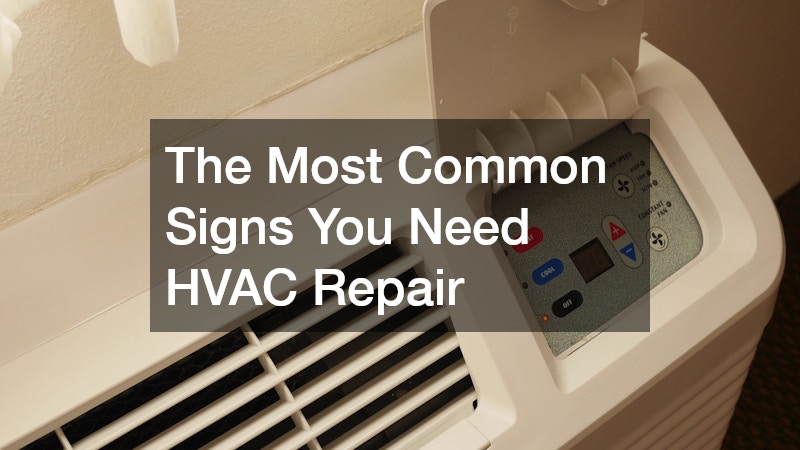
A key indicator that your HVAC system may need repair is unusual noise emanating from the unit. Such noises might range from clanging and hissing to loud banging, which often indicate mechanical issues. Monitoring your energy bills can also offer clues; an unexpected spike might point to your system straining harder than it should to maintain the desired temperature. Additionally, inconsistent temperatures in various rooms can be a telltale sign. These symptoms, if addressed early, can prevent more costly repairs down the line and ensure longevity of the system.
It’s important to pay attention to the airflow coming from the vents. If you notice weak air flows or even complete interruption, this might point to issues with your compressor or ducts. Similarly, if you find that your HVAC system is cycling on and off frequently, it might be struggling to maintain the set temperature due to a malfunctioning component. Not addressing these issues promptly can compound the problem, potentially leading to more significant damage or complete system failure. Early detection and repair are essential, as is engaging a professional service for inspection.
A significant factor in assessing HVAC health is observing the presence of unusual smells. Foul odors could suggest mold or mildew buildup within the system, which not only affects function but also air quality. Refrigerant leaks are another critical concern, as they can cause the unit to perform inefficiently, further increasing costs and environmental impact. Making small repairs when issues arise reduces the likelihood of major malfunctions, ensuring that your HVAC remains reliable and effective. Regular assessments can catch these issues early, allowing for adjustments before things worsen.
Why Is My HVAC System Not Heating or Cooling Properly?
One of the most frequent complaints from homeowners is that their HVAC system isn’t maintaining temperature effectively, a sign of possible repair needs. There could be several reasons for this, including a malfunctioning thermostat, restricted airflow, or a clogged air filter. Each of these factors can severely diminish the system’s ability to heat or cool your home efficiently. Moreover, incorrect thermostat settings or a dead battery in the thermostat might also contribute to perceived HVAC failures. Ensuring all components are calibrated correctly and well-maintained can restore effective climate control.
Another potential issue is a lack of refrigerant, which is essential for the cooling process. Leakage in refrigerant lines means less of the substance is available to absorb the heat inside your home, leading to an inefficient cooling process. Dirty evaporator coils can also reduce the system’s efficiency, as dirt can act as an insulator, preventing adequate heat absorption. Inadequate insulation or leaking ducts contribute as well, as they allow air to escape, counteracting your system’s efforts. Regular maintenance can help identify these issues early to prevent subpar performance.
Blocked or leaking ducts are another potential reason behind improper heating or cooling. Even small holes or gaps in your ductwork can allow for significant energy loss, rendering your system inefficient. If the problem lies in the ducts, it could be resolved by a professional sealing them or patching leaks properly. Additionally, a motor or fan malfunction could result in insufficient air circulation, preventing your system from distributing air evenly. Ongoing inspection, cleaning, and servicing of these parts can prevent scenarios where the HVAC fails to meet temperature needs.
What Are the Common Causes of HVAC System Malfunctions?
Buildup of dirt and debris on crucial HVAC components such as filters, coils, and outdoor units is a common cause of malfunctions. Dirt blocks airflow and diminishes efficiency, causing the system to work harder than necessary. Over time, this can lead to overheating and premature wear, resulting in more frequent breakdowns. Low refrigerant levels due to leaks also contribute significantly to malfunctions. Regular maintenance not only cleans and checks these parts but can pre-empt these avoidable failures.
Another prevalent cause of HVAC issues is electrical problems, including faulty wiring or component failures. Electric issues may not immediately harm the machine but can lead to inefficiencies and carry potential safety risks like fires. Wear and tear are inevitable but consistent checks ensure these minor issues do not escalate. Furthermore, ignoring regular inspections can mean these electrical faults go unnoticed, shortening the lifespan of the appliance. A technician can troubleshoot these problems, ensuring fewer interruptions and enhanced safety.
Clogged air filters are another frequent offender in HVAC system problems, restricting airflow and reducing efficiency. Filters capture dust, allergens, and debris, but when they become saturated, they can no longer perform effectively. Typically, filters need changing every one to three months, depending on usage and the manufacturer’s instructions. When neglected, HVAC systems strain to perform, often resulting in parts working overtime. This stress can generate heat, affecting other components and creating a cycle of deterioration unless mitigated by prompt filter replacement.
How Often Should I Service My HVAC System to Avoid Repairs?
Regular servicing is crucial to minimizing unexpected repairs and ensuring efficient operation of your HVAC system. Most manufacturers recommend a comprehensive check-up at least once a year, typically before the heating or cooling season begins, to identify any potential issues early. During service, professionals will inspect components, identify wear and tear, and address minor repairs. This preventative approach helps maintain optimal performance and can extend the system’s life. By ensuring everything is running smoothly, homeowners can anticipate fewer problems and enhanced comfort.
Routine maintenance performed by skilled technicians can also aid in detecting emerging issues before they evolve into significant problems. Overlooked issues during regular service can result in costly repairs later, which often culminate in substantial downtime of your system. Regular check-ups can keep your system running efficiently, reducing energy consumption and saving on bills in the long run. Besides operating costs, preventive service provides peace of mind by addressing issues proactively rather than reactively. This reduced strain on the system is beneficial for both the unit and the resident’s comfort.
An important part of regular servicing is the calibration of the thermostat to ensure accurate temperature readings and settings. This calibration ensures that the HVAC system responds effectively to the needs of the home, providing consistent and reliable heating and cooling. Maintaining an optimal schedule for filter replacement, duct cleaning, and inspection of moving parts adds value to these routine check-ups. This attention to care helps avert more significant mechanical failures that can disrupt home life. Thus, regular servicing acts as a safeguard against performance and system integrity deterioration.
What Are the Health Risks of a Faulty HVAC System?
A malfunctioning HVAC system poses significant health risks, particularly related to air quality. Mold and mildew can grow inside the units if moisture accumulates, then spread spores through the ductwork. These spores can trigger allergies, and asthma attacks, and cause other respiratory issues, particularly in vulnerable populations. Ventilation problems leading to insufficient fresh air exchange can increase carbon dioxide levels indoors, impacting occupant well-being. Regular system checks can identify and rectify these issues, protecting both health and comfort.
Moreover, HVAC systems that are not functioning properly might produce harmful by-products, such as carbon monoxide. A gas leak in a faulty heater can cause this colorless, odorless gas to circulate through your home, posing severe health risks, including fatal poisoning. Ensuring your system is in good working order can prevent such dangerous situations. Regular audits and professional inspections will catch these problems, prompting timely intervention. Alongside professional maintenance, installing carbon monoxide detectors provides an additional layer of protection.
Additionally, poor HVAC performance can affect humidity levels indoors, leading to discomfort and health issues. Low humidity can result in skin irritation and respiratory distress, while high humidity promotes bacteria and virus survival, contributing to illnesses. By maintaining or repairing HVAC systems, you help regulate indoor air quality, balancing humidity levels with meaningful impact. The consequences of overlooking HVAC maintenance extend beyond comfort, reaching into the realm of health risks that affect daily life. Engaging professional services minimizes these risks, ensuring safe and healthy living environments.
Understanding the common signs that indicate the need for HVAC repair can help maintain the efficiency and safety of your home environment. Regular maintenance and timely repairs will ensure the longevity and reliability of your HVAC system. By paying attention to the performance and health of your HVAC unit, you can prevent more significant issues, ensuring the comfort and security of those relying on it.
 Home Maintenance Projects to Consider Inside and Outside the Garage
  Always Ask a Plumber These Questions Before Hiring Them
  Protect and Cool Why You Need Mold Inspections and HVAC Upgrades
  How Do HVAC Services Troubleshoot Issues?
  How to Avoid Expensive Repairs Through Routine Home Inspections
  3 HVAC Mistakes Air Conditioning Contractors Warn Against
  Kitchen Color Trends That Work With Any Decorating Style
  How Planned Home Repairs Can Extend Property Lifespan
  Essential Home Repairs You Should Never Delay
  How to Plan and Manage a Seamless Kitchen Remodel