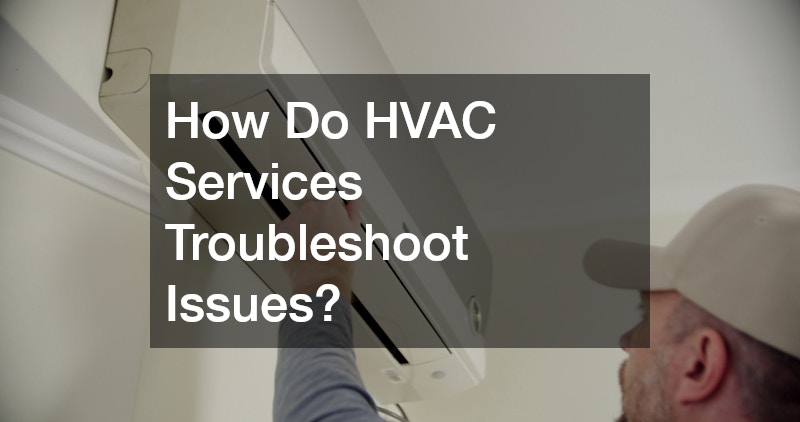
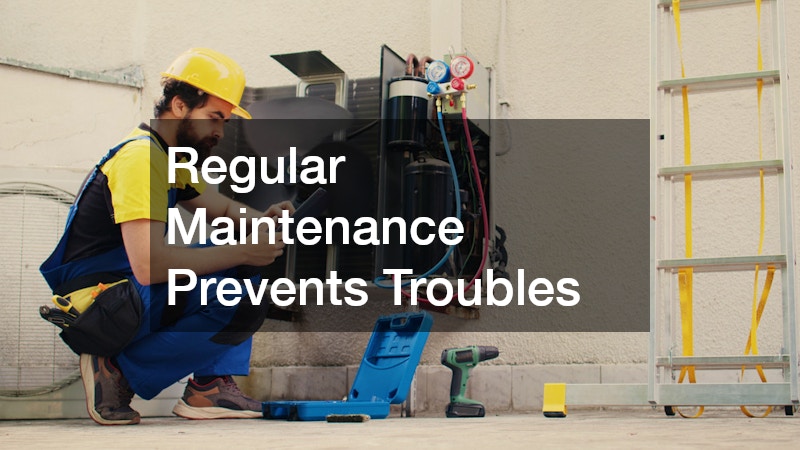
Understanding how HVAC services troubleshoot issues is crucial for both homeowners and professionals in ensuring optimal performance and longevity of heating, ventilation, and air conditioning systems. HVAC systems are integral to maintaining a comfortable indoor environment, yet they often suffer from wear and tear or unforeseen problems. These issues can lead to inefficient energy use, higher utility bills, and uncomfortable living conditions. Fortunately, professional HVAC services are skilled in diagnosing and resolving these problems swiftly and accurately. This article will explore the common issues faced by HVAC systems, how professionals diagnose and repair these issues, and the importance of regular maintenance. HVAC systems are complex and composed of several moving parts that can encounter various issues. One of the most prevalent problems is a clogged filter, which can impede airflow and reduce system efficiency. Another common issue is refrigerant leaks, which not only lower cooling performance but can also harm the environment. Electrical problems, such as faulty wiring or malfunctioning thermostats, can cause intermittent system failures. Lastly, broken components in the system, such as belts or fans, can create unusual noises and decrease the efficacy of the unit. Uneven heating or cooling is a typical complaint among homeowners, suggesting issues with ductwork or insulation. Poor maintenance is often a precursor to many HVAC problems, as dirt and neglect can lead to system failures. Sometimes, problems arise due to incorrect system installations, which can cause short cycling or insufficient airflow. Draughts or cold spots in the home can also indicate issues with sealant or duct leaks. All these symptoms point towards the need for regular checks and timely professional intervention. Aside from component failures, HVAC systems can suffer from age-related decline, leading to decreased efficiency. Aging systems often require more frequent repairs as parts wear out or technology becomes outdated. In some cases, it may be more economical to upgrade to a new system rather than repair an older one. Another aspect to consider is the system’s energy efficiency, as older units typically consume more energy. Energy efficiency standards improve over time, so upgrading can often lead to considerable savings on utility bills. Experienced HVAC technicians use a systematic approach to diagnose issues within a system. First, they perform a visual inspection of the system to identify any obvious signs of damage or wear. They check crucial components, including filters, belts, fans, and electrical connections, for integrity and function. In addition to visual checks, technicians use diagnostic tools to measure system performance and identify less visible issues. These tools include manometers for pressure measurements and infrared cameras to detect refrigerant leaks. Another essential diagnostic step is testing the airflow and temperature output at various points in the system. Technicians use airflow meters to assess whether the system is moving the correct volume of air. Temperature readings at the air handler or vents help establish whether heating or cooling is functioning properly. Technicians may also check the refrigerant charge with a gauge to ensure there are no leaks that could impair cooling efficiency. The technician combines these diagnostic results to form a comprehensive picture of the system’s health. Interpreting diagnostic data is crucial for accurately identifying the underlying problems in an HVAC system. Once a technician has gathered the necessary data, they compare it against industry standards and manufacturer specifications. This comparison helps them determine if the system is operating below its expected performance level. Based on the findings, the technician can recommend appropriate corrective actions. By proficiently diagnosing the issues, technicians ensure that repairs are targeted and effective, minimizing downtime and further damage. Once a diagnosis is made, HVAC technicians develop a repair plan to address the identified issues. Repairs often start with cleaning or replacing clogged filters to improve airflow and system efficiency. For refrigerant leaks, technicians must pinpoint the exact location of the leak and seal it before recharging the refrigerant. Electrical issues require careful examination and repair of wiring, fuses, or circuit boards to restore functionality. Replacing broken parts, like belts or fans, is necessary to eliminate unusual noises and ensure smooth operation. HVAC repairs range from simple fixes to more comprehensive overhauls depending on the complexity of the issue. In some cases, the entire system may need recalibration to restore optimal performance. This could involve adjusting the refrigerant levels or realigning components for better energy efficiency. Technicians often conduct follow-up tests to confirm that the repairs have resolved the issues and that the system is running as expected. Regular updates inform homeowners about the state of their HVAC systems and any additional recommendations for maintenance. Effective repairs hinge on using high-quality replacement parts and implementing manufacturer-recommended practices. Genuine parts ensure compatibility and prolong the life of the system, while following best practices minimizes the risk of repeat issues. For advanced repairs, technicians may consult technical manuals or coordinate with manufacturers to secure specific parts or technical assistance. By adhering to stringent repair protocols, HVAC professionals guarantee that repairs are not only efficient but also cost-effective in extending the life of the unit. Regular maintenance is essential to the longevity and efficiency of HVAC systems. It involves routine inspections and cleaning to prevent debris buildup, which can impede airflow and cause component failures. During maintenance, technicians lubricate moving parts, tighten electrical connections, and test system controls to ensure reliable operation. Seasonal check-ups before peak use periods in summer or winter can prevent unexpected breakdowns. This proactive approach helps address minor issues before they escalate into costly repairs. Annual maintenance helps maintain the system’s energy efficiency by ensuring all components are in optimal working condition. Proper maintenance can lead to significant energy savings as a well-maintained system consumes less power to achieve the same level of heating or cooling. It also ensures that the system complies with current safety standards, lowering the risk of hazards such as gas leaks or electrical fires. By keeping detailed records of past services, homeowners can track their system’s performance and intervene promptly when efficiency drops. Regular maintenance is a collaborative effort between homeowners and HVAC professionals. While technicians handle the more intricate checks and repairs, homeowners can contribute by changing air filters and keeping the surrounding area clean. Professionals provide valuable insights and offer maintenance plans tailored to individual system needs. Investing in maintenance not only prolongs the lifespan of the HVAC system but also enhances comfort and indoor air quality in homes. By following a consistent maintenance schedule, homeowners can avoid unnecessary stress and expenses associated with unexpected failures. Recognizing when to call a professional HVAC technician can save time and prevent further system damage. Homeowners should seek professional help when they notice persistent issues such as inconsistent temperatures, unusual noises, or increased energy bills. Additionally, any signs of leaks, whether water or refrigerant, demand immediate attention to avoid exacerbating environmental and health risks. Electrical issues characterized by frequent circuit breaker trips or thermostat failures also warrant expert intervention. When in doubt, consulting a professional provides peace of mind and prevents potential hazards. While minor issues like filter changes can often be handled by homeowners, more complex problems require the expertise of a trained professional. Attempting DIY repairs on major components can invalidate warranties and damage the system further. Professionals have the training and tools to accurately diagnose and resolve complicated problems. Their intervention is crucial for ensuring repairs meet safety standards and restore full system functionality. Engaging with a trusted HVAC service assures that repairs are performed efficiently and effectively. Choosing the right time to replace an aging system with frequent failures is another scenario where professional advice is invaluable. HVAC technicians assess the cost-effectiveness of continued repairs versus system replacement. They can recommend high-efficiency models that fit homeowners’ needs and ensure a smooth installation process. By consulting a professional, homeowners can make informed decisions that maximize their comfort and minimize operational costs. Professional guidance bridges the gap between day-to-day functionality and long-term system management. An understanding of how HVAC services troubleshoot issues equips homeowners with the knowledge to maintain their systems effectively and decide when the intervention of professional services is necessary. By recognizing common problems and understanding the troubleshooting process, homeowners can ensure their systems run efficiently and remain reliable. Regular maintenance and timely professional intervention can significantly prolong the life of HVAC systems and enhance indoor comfort. Homeowners should remain proactive in addressing system needs to avoid unnecessary disruptions and costly repairs. Informed management of HVAC systems results in energy savings and a healthier, more comfortable living environment. 1. What Are Common HVAC Problems?
2. How Do Technicians Diagnose HVAC Issues?
3. How Are HVAC Issues Repaired?
4. How Can Regular Maintenance Prevent Troubles?
5. When Is It Time to Call a Professional?
 Home Maintenance Projects to Consider Inside and Outside the Garage
  Always Ask a Plumber These Questions Before Hiring Them
 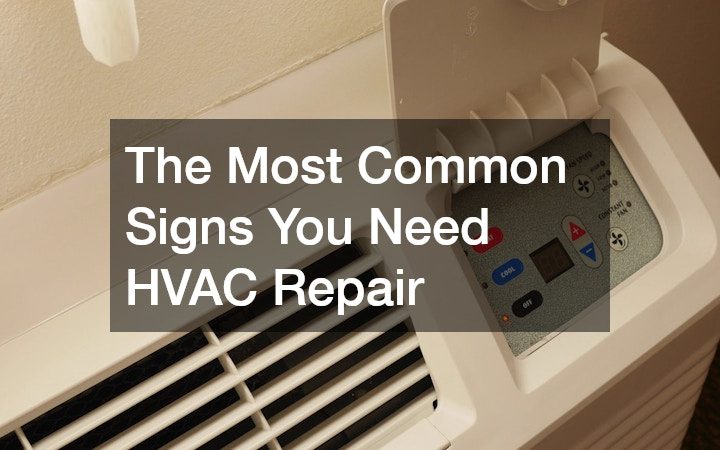 The Most Common Signs You Need HVAC Repair
 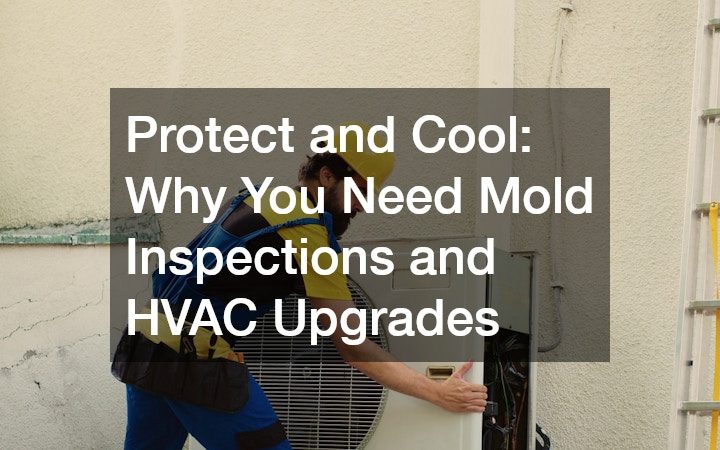 Protect and Cool Why You Need Mold Inspections and HVAC Upgrades
 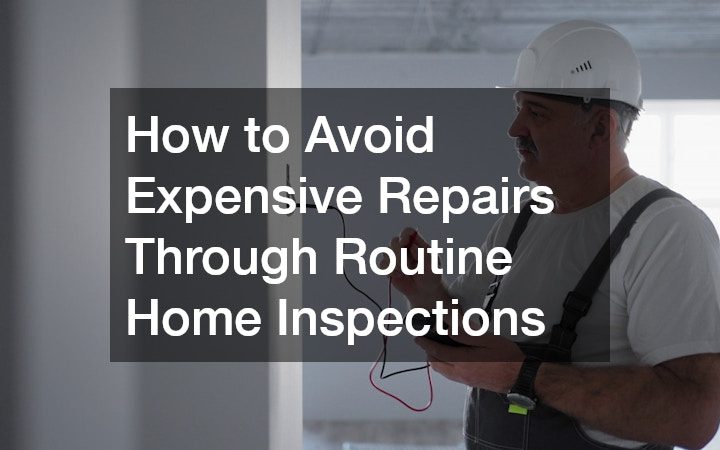 How to Avoid Expensive Repairs Through Routine Home Inspections
 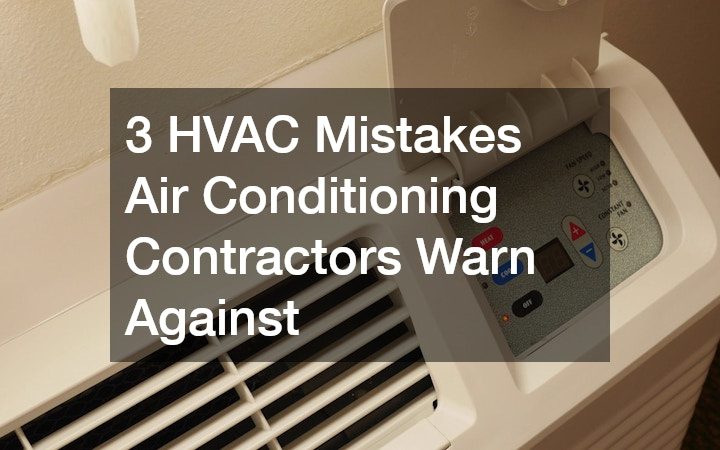 3 HVAC Mistakes Air Conditioning Contractors Warn Against
  The First-Time Homeowners Repair Toolkit: Essential Tools and Fixes Everyone Should Know